
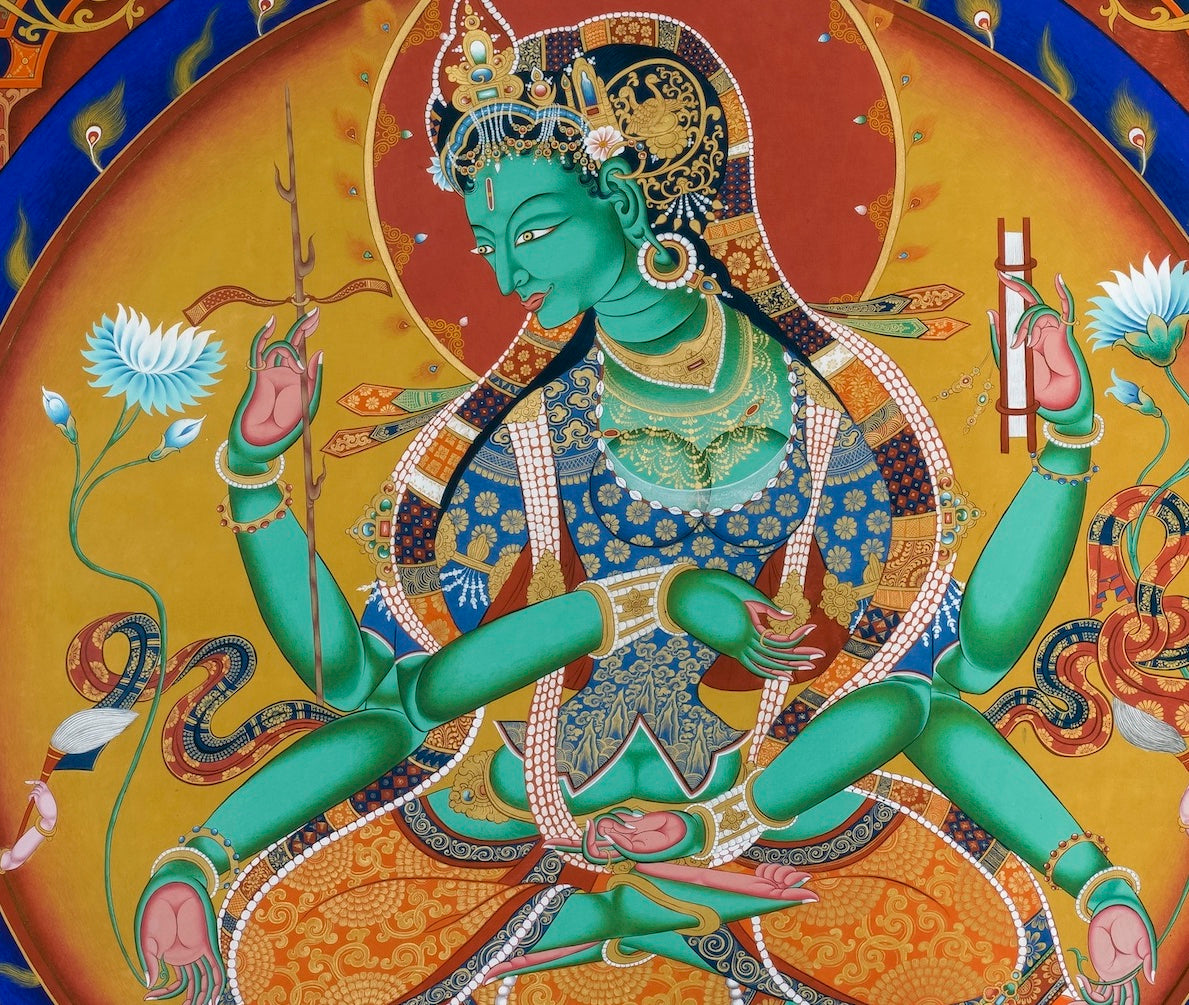
Tibetan Thangka Paintings

Objectives of the Thangde Gatsal Thangka Painting Studio

1. Preservation of Tibetan culture
The wholesale destruction of Tibetan culture during the Chinese takeover and the current assimilation of Tibet through mass migration of ethnic Chinese, mean that this art form is facing the greatest threat in its long history. The tradition of thangka painting needs to be preserved before the paintings become mere museum pieces.

2. Increase the number and quality of schools teaching Tibetan traditional arts
The number of schools teaching thangka painting in India is inadequate for the number of young Tibetans interested in learning the art. There is an urgent need for a thangka painting school that will harness the enthusiasm of young Tibetans before this rich tradition disappears.

3. Provide employment options
Tibetan refugees in India face serious problems of unemployment. Thangde Gatsal will give a select group of young Tibetans a skill that will last a lifetime and maintain their pride in the richness of their culture.

4. Provide appropriate environment for training
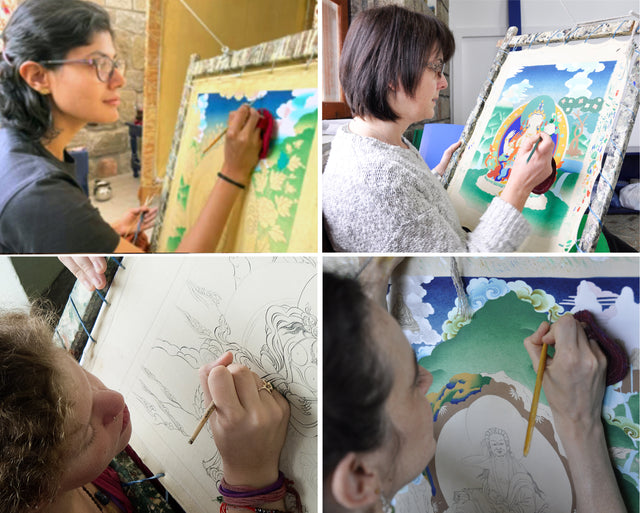
The relationship between master and student in thangka painting is lifelong. Thangka painting involves mastery of many demanding techniques, knowledge of Buddhist philosophy and a contemplative frame of mind. To become an accomplished thangka painter, it is essential that students live in a stable and secure environment throughout their training, with constant access to their master.

5. Preservation of a master’s knowledge
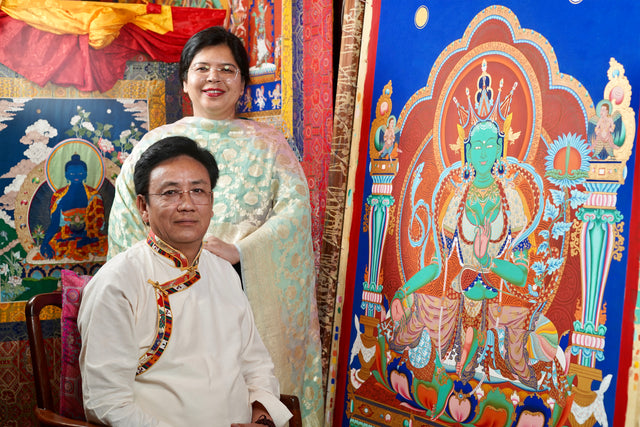
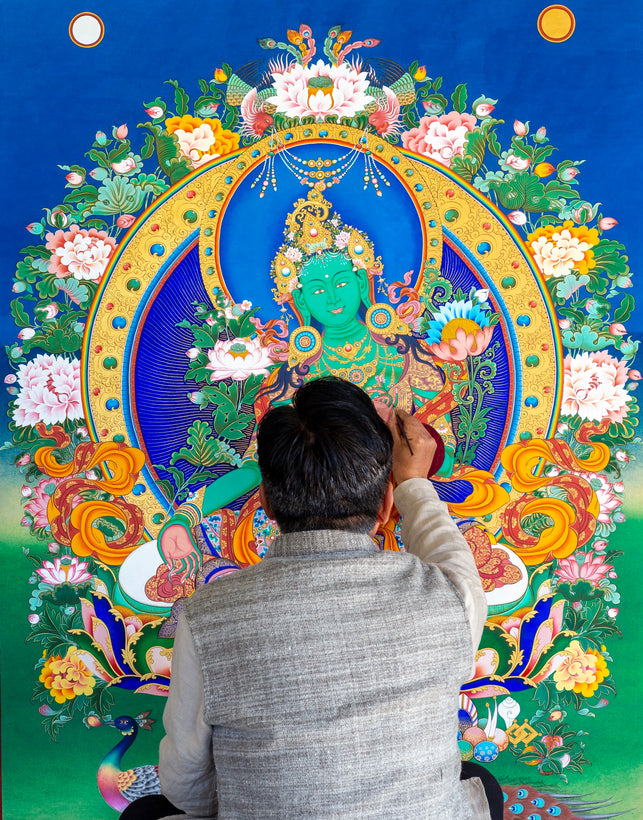
A thangka painting master will have spent at least twenty years learning the arts of sketching, grinding colours from mineral pigments, painting, and preparing and applying real gold. Above all, he must have a deep knowledge of Buddhist scripture and philosophy to understand the iconography of thangka painting. The few remaining masters need to teach these skills to a new generation of painters before the tradition is lost.

6. Establish library and documentation centre
Interest in Tibetan Buddhism and Tibetan culture is growing worldwide, and there is a need for in-depth information about thangka painting for those doing research on Tibetan culture and Tibetan Buddhism, as well as for professional artists who need specific information on designs and techniques. A documentation centre will record all work produced at the studio for the benefit of painters and researchers.

7. Disseminate knowledge about Tibetan cultural traditions to non-Tibetans
There are currently very few opportunities for short-term study of Tibetan culture. Of the thousands of foreign tourists who visit Dharamsala every year, many wish to learn about Tibetan culture in greater depth. In addition, hundreds of students and visitors arrive each year on specially packaged tours for the specific purpose of studying and becoming involved with Tibetan culture. There is a need for short-term courses that will teach both the appreciation and the practice of thangka painting to suit various levels of interest. This need is currently completely unmet.

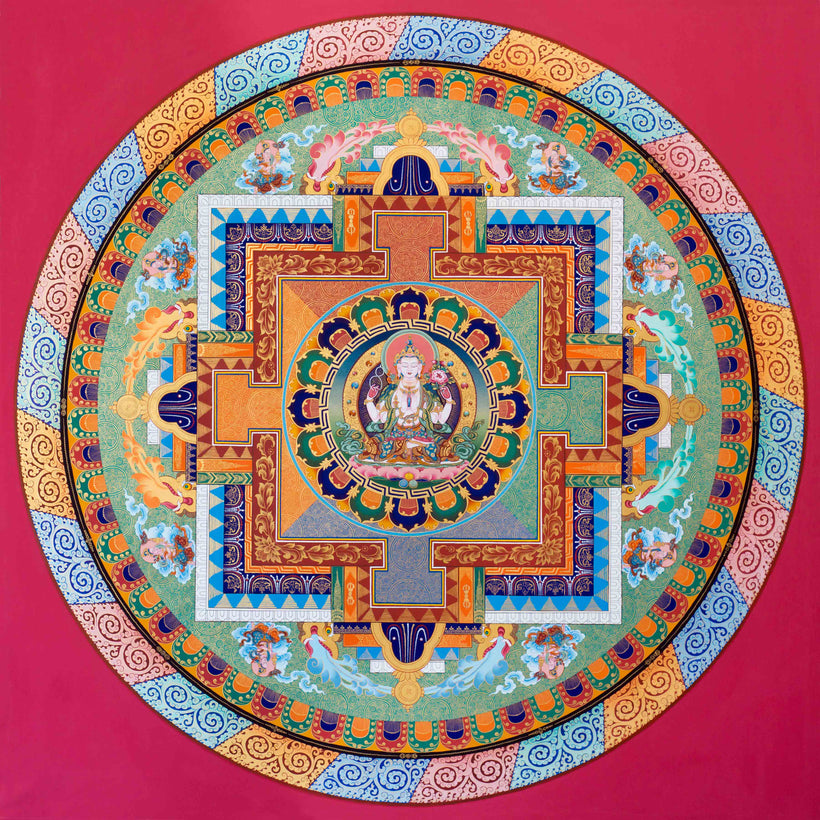
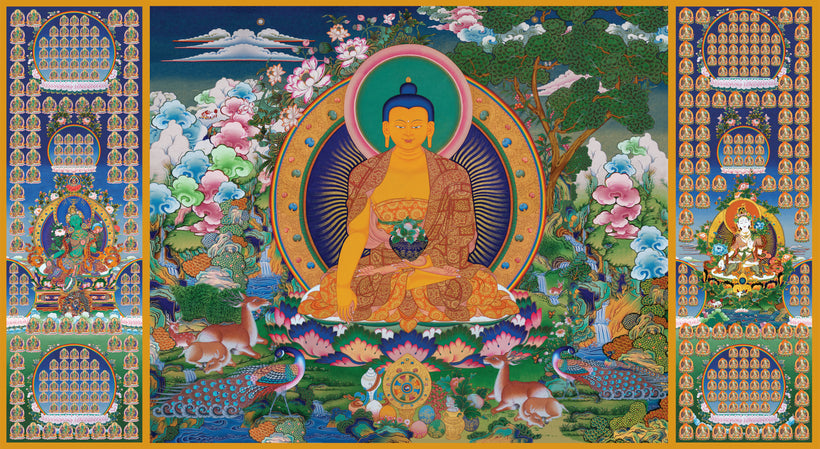
The dissemination of knowledge about thangka painting among non-Tibetans is an essential part of the effort to save Tibetan culture. Exposing Indians and foreigners to thangka painting will encourage artists, academics, connoisseurs, collectors and institutions to engage with this unparalleled art form. The current threatened status of thangka painting will be transformed to one of growth and vigour.

Our Outlook

Thangde Gatsal has acquired land in a rural setting near Dharamsala. The land is owned by the non-profit Thangde Gatsal Trust. Funds are now needed to begin construction of the buildings. The construction will be done in three phases, completed by December 2005.

Ten students will be accommodated at Thangde Gatsal and commenced their training as of December 2003.

By August 2004, 50 textbooks and 100 religious scriptures related to thangka painting will have been collected for the library.

The documentation centre will have commenced operations, digitally storing the work of Thangde Gatsal artists and making this available to researchers and artists worldwide online.

200 people will have attended short-term courses by December 2005.